
Using AI and Analytics for Streamlining End-of-Year Supplier Reconciliation
- Insivue

- Aug 30, 2025
- 3 min read
Closing the books at the end of the financial year is a demanding task for any business, and supplier management sits at the center of this process. Ensuring invoices are accurate, payments are reconciled, and compliance obligations are met requires careful attention to detail. Traditionally, this involves combing through supplier statements, checking ABNs, reconciling payables, and preparing statutory reports such as the Taxable Payments Annual Report (TPAR). With the rise of artificial intelligence (AI) and advanced analytics, businesses can now handle these tasks with far greater efficiency, accuracy, and insight.
Below we discuss some methods for using AI and Analytics for streamlining end-of-year supplier reconciliation

Smarter Invoice Validation and Duplicate Detection
One of the key steps in supplier reconciliation is verifying that all invoices and statements have been received, allocated correctly, and recorded without duplication. AI tools excel in this space by automatically scanning invoices, extracting key data, and matching them against purchase orders and payment records. Machine learning algorithms can flag duplicate invoices, detect discrepancies in amounts or tax coding, and even identify recurring invoices that are no longer relevant. This reduces the risk of overpayments or missed credits, while also ensuring supplier records remain accurate.
Analytics enhances this process further by providing exception reports—highlighting unusual supplier charges, mixed GST coding, or unallocated payments sitting in suspense accounts. Instead of reviewing every transaction, finance teams can focus on the anomalies that matter most.
Reconciling Payables and Supplier Accounts
Reconciling supplier accounts to the balance sheet is often a painstaking process. Errors may arise from future-dated payments, transactions posted before invoice dates, or changes made outside standard approval workflows. AI can automate these reconciliations by comparing supplier statements with ledger balances, pinpointing mismatches instantly, and tracing them back to their source.
For businesses dealing with foreign suppliers, AI-driven currency conversion tools can apply the correct exchange rate at period-end, ensuring that unrealised gains and losses are recorded accurately. Analytics can then consolidate these adjustments into reports that clearly show outstanding payables, purchase orders, and supplier prepayments. This not only streamlines reconciliation but also improves visibility into supplier liabilities.
Optimising Supplier Credits, Discounts, and Returns
Managing supplier credits and refunds is another area where AI provides value. Automated systems can detect unapplied credits, flag situations where refunds have been received but not matched, and ensure discounts are applied appropriately. Analytics dashboards can show the overall impact of credits and returns on supplier balances, helping businesses avoid leaving money on the table and strengthening supplier relationships through accurate account management.
Preparing TPAR with Accuracy and Efficiency
For businesses required to lodge a Taxable Payments Annual Report, the process of identifying eligible contractors, validating ABNs, and reconciling amounts can be labour-intensive. AI simplifies this by automatically checking supplier records against ATO databases, ensuring ABN and GST details are current. It can also separate materials-only invoices, which are excluded from reporting, and flag voluntary withholding arrangements that should not be included.
Analytics then ties the TPAR amounts back to the profit and loss statement, providing assurance that reported figures are complete and accurate. Automated preparation of TPAR files reduces the administrative burden and lowers the risk of compliance errors.
Supporting Compliance and Strategic Supplier Management
Beyond reconciliation, AI and analytics provide businesses with strategic insights into their supplier networks. By analysing year-to-date purchases by supplier, stock item, or category, businesses can identify their key vendors, negotiate better terms, and spot opportunities for bulk discounts. They can also detect reliance on single suppliers, highlighting supply chain risks that might otherwise be overlooked.
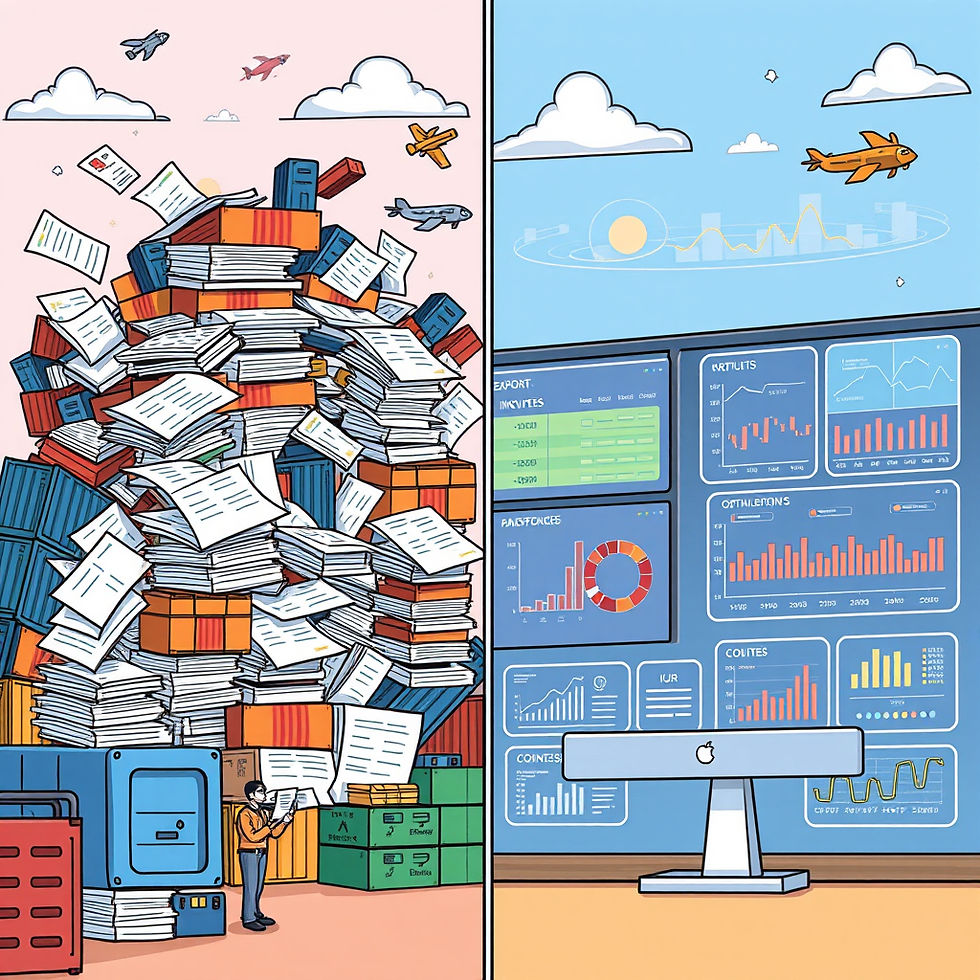
The end-of-year supplier checklist has long been a manual and detail-heavy exercise. With AI and analytics, it is being transformed into a streamlined, data-driven process. From validating invoices and reconciling payables to managing foreign transactions and preparing TPAR reports, these technologies reduce errors, save time, and improve compliance. More importantly, they allow finance teams to shift focus from chasing paperwork to making strategic supplier decisions that enhance business resilience and profitability. In the modern financial landscape, AI is no longer just a tool for efficiency—it is a catalyst for smarter supplier management.

In this article, we explored some methods for using AI and Analytics for streamlining end-of-year supplier reconciliation. We highlighted how these tools can assist professionals in implementing best practices for managing client supplier information and streamlining financial processes. If you're looking to strengthen your business in a climate of rising inflation and interest rates, now is a great time to explore what analytics can do for you and to contact us today. Our team specializes in helping businesses unlock efficiency and growth through tailored, data-driven solutions—whether it's optimizing pricing strategies, customizing service offerings, enhancing client relationships, tracking expenses, improving financial controls, or forecasting revenue. We're here to help you find the right approach we can work with you for your goals.


Comments